

Shin Splints
With pre-season training for football and netball underway, many of us ramp up our running after a long break. When this sudden increase in frequency and load is combined with hard surfaces, it creates the ideal conditions for shin splints.

So what are Shin Splints?
Otherwise known as “Medial Tibial Stress Syndrome”, Shin Splints is a term used to describe pain along the inside border of the shin bone. It often occurs when there is a large increase in load, volume and high impact exercise, resulting in pain and inflammation.
How to manage Shin Splints
Initially, it is important to manage pain levels through rest and activity modification, tailored to individual requirements. An Osteopath can assess the extent of the injury to determine the amount of rest or de-load required. Ice can also be utilised for pain management in the acute phase.
Since a sudden spike in activity is a leading cause of this injury, managing load is the most essential component when returning to running. Start small and increase only one variable at a time—whether distance, duration, speed, or frequency.
This will ensure our body tissues can adapt and build the strength and endurance required to keep up with the increased training loads, therefore preventing further recurrence.
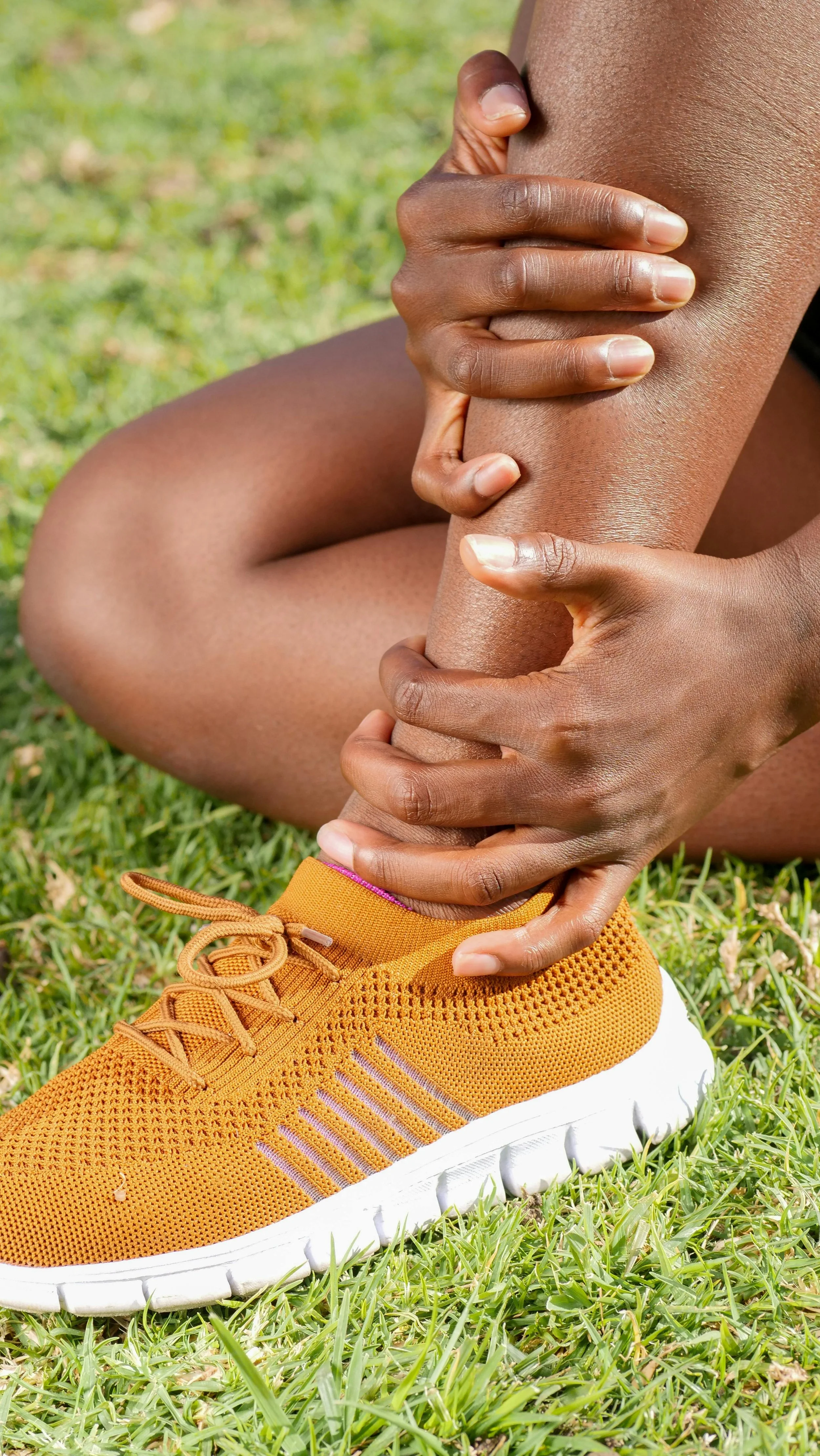
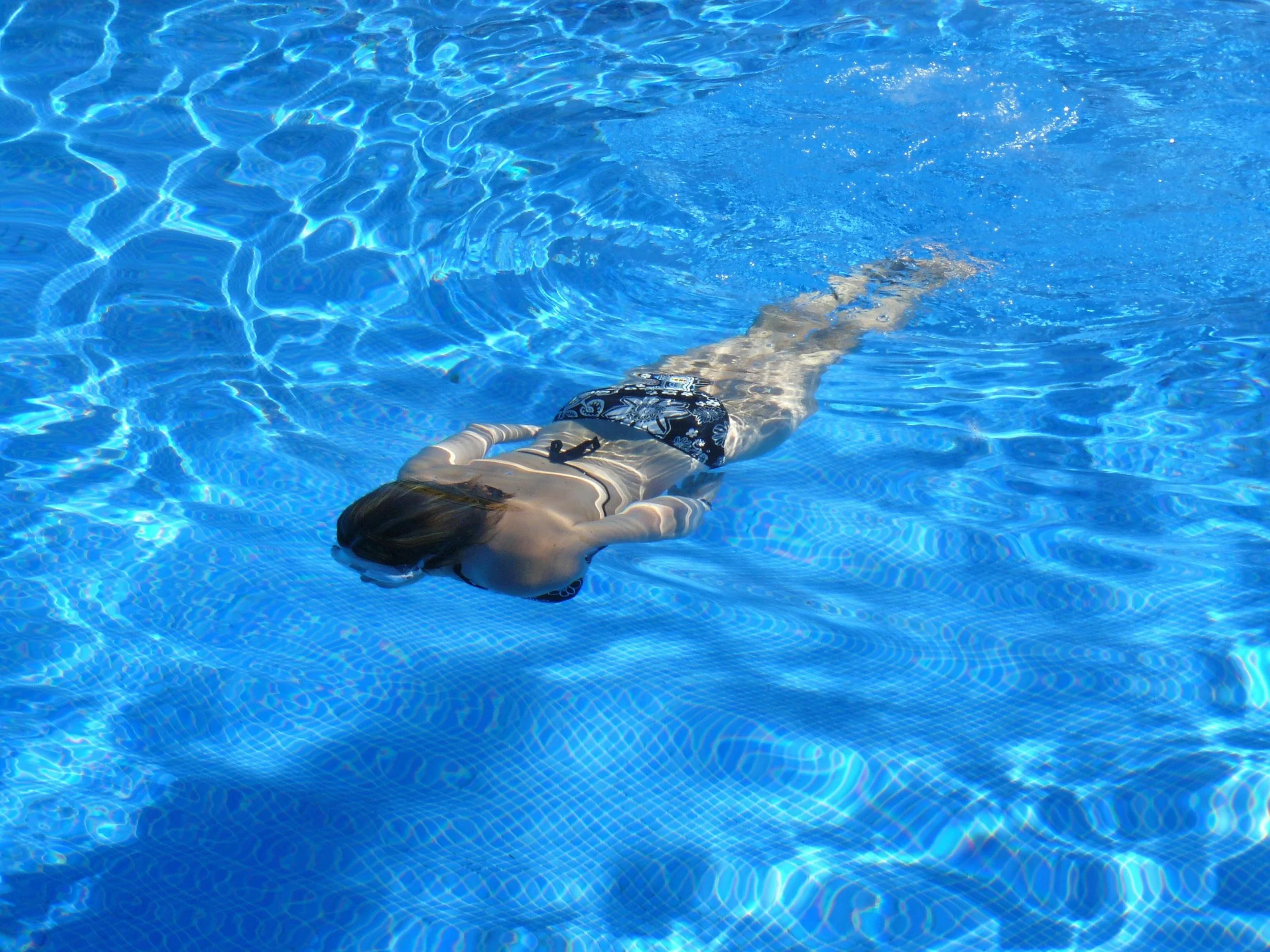


Running on grass rather than concrete, incorporating low impact activities such as swimming, wearing supportive footwear and focusing on improving the strength and endurance of muscles of the calves, legs, hips and core can also play a vital role in a successful return to activity. Having a personalised return to activity program developed by The Barossa Osteo, tailored to your sport and incorporating whole-body health, can go a long way to preventing shin splints hanging around all season.
Additional factors like foot biomechanics and higher body mass index can increase the risk of developing shin splints and should be managed in consultation with qualified health professionals.
Becker J, Nakajima M, Wu WFW. Factors Contributing to Medial Tibial Stress Syndrome in Runners: A Prospective Study. Med Sci Sports Exerc. 2018 Oct;50(10):2092-2100. doi: 10.1249/MSS.0000000000001674. PMID: 29787473.
Warden SJ, Edwards WB, Willy RW. Preventing Bone Stress Injuries in Runners with Optimal Workload. Curr Osteoporos Rep. 2021 Jun;19(3):298-307. doi: 10.1007/s11914-021-00666-y. Epub 2021 Feb 26. PMID: 33635519; PMCID: PMC8316280.
Winters M, Burr DB, van der Hoeven H, Condon KW, Bellemans J, Moen MH. Microcrack-associated bone remodeling is rarely observed in biopsies from athletes with medial tibial stress syndrome. J Bone Miner Metab. 2019 May;37(3):496-502. doi: 10.1007/s00774-018-0945-9. Epub 2018 Jul 31. PMID: 30066165.